
Starting a strength training program can be intimidating for beginners and it can be difficult to know exactly where to start.
Whether your goal is to enhance athletic performance, exercise for mental health, or just be able to play with your toddler without being tired all the time, starting a strength training program can be one of the healthiest decisions you can make. But how do you know where to begin with weight training if you have never done it before?
To help, we put together a beginners guide to starting a strength training program in 2026. We will also delve into the many benefits of a strength training program that incorporates various types of resistance. Let’s get started!
What is Strength Training? Understanding the Basics of Strength Training for Beginners
Strength training is another name for resistance training and is used to improve strength and general fitness by working a person’s muscles against weight or resistance, usually using free weights, weight machines or resistance bands. Many newcomers to strength training start with using dumbbells, performing resistance band training or body weight exercises, including beginner dumbbell exercises for women. Additionally, understanding how much weight to use is crucial for beginners to avoid injury.
Strength training can be described as movement which works a person’s muscles against external resistance, increased by added weight. Strengthening exercises help improve the strength of your muscles, bones and connective tissue like ligaments. Examples of strengthening exercises include any weight training exercise, any body weight exercise (like push-ups, squats, etc.), and any activity with a resistance band. Although weight training and resistance band training are widely recognised to improve muscle and bone strength, they also improve muscular endurance.
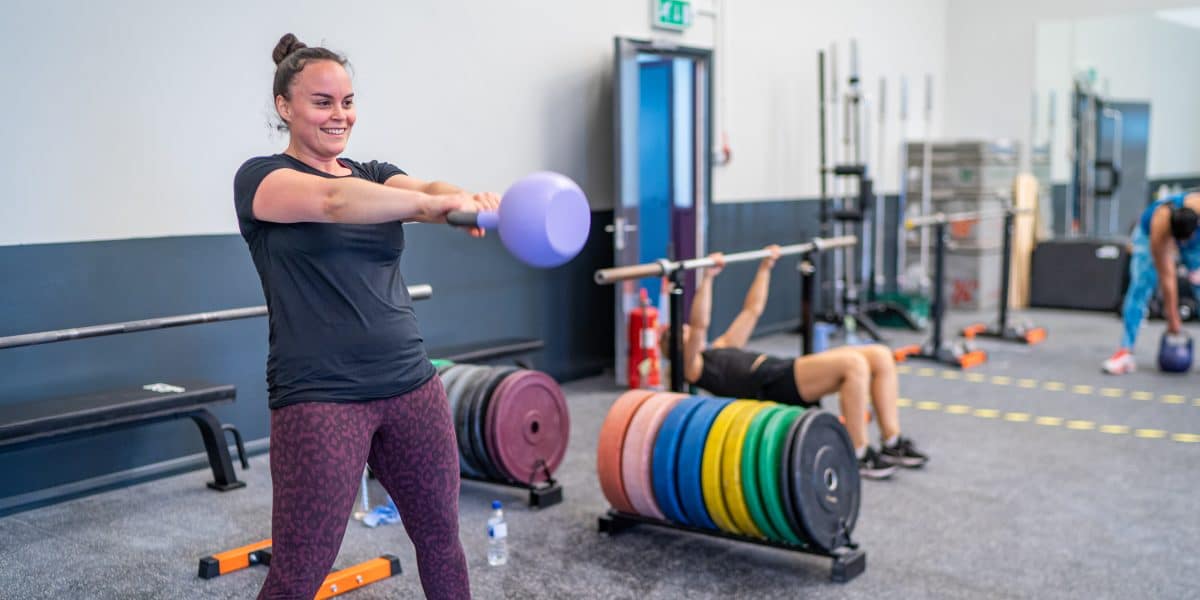
What’s the best way to start strength training? So many people get put off with the thought of stepping in a gym for the first time and starting off with heavy weights that they’ve never used before. However, using body weight or light weights in simple workouts like those that we include in our beginner strength class, is a great way to start building strength and to prevent injury in the process.
Book a Class Today!
Why Strength Training Matters: Benefits for Every Level
If you have heard of strength training you may imagine some giant muscle-bound bodybuilder hoisting tonnes of iron around a power training facility or attempting to press a car above his head. While these intense forms of training are great for building strength, they are not the only ways to train for strength.
There are many methods of training for strength and really anyone can incorporate strength training into their program. Here’s some of the unexpected benefits of incorporating strength training into your fitness routine:
- Improves Bone Density: Essential for all age groups to reduce the risk of osteoporosis.
- Controls Blood Pressure: Enhancing cardiovascular health and lowering the risk of heart disease.
- Enhances Mental Health: Through the release of endorphins, it aids in managing stress, anxiety, and depression.
- Progression Techniques: These are crucial as you advance, ensuring your workouts continue to challenge your muscle groups.
- Boosts Metabolism and Controls Weight: By increasing muscle mass, you burn more calories even at rest, which helps in reducing body fat.
- Prevents Injuries: Proper strength training, with adherence to safety guidelines, can reduce the incidence of injury from everyday activities such as running or picking up heavy objects.
For the novice lifter, it is very important to first learn how to perform the basic lifts in a safe and efficient manner and learn proper form, before advancing on to more complex variations of the same.
Essential Equipment for Strength Training Success
Selecting the right equipment is the start of your strength training success. Here’s everything you can find at our professional strength training gym:
- Dumbbells: Versatile and available in a range of weights.
- Barbells: Great for progressive overload techniques and heavier lifts. These weight training bars are best suited for compound movements, main lifts and heavy strength training like squats and deadlifts.
- Resistance Bands: Provide versatile training options and perfect for home and travel.
- Bodyweight: Don’t underestimate the power of exercises that use your own body weight, such as planks and push-ups. Starting with proper technique is essential.
- Squat Rack: A squat rack is essential for safely performing exercises like squats and bench presses, allowing you to add more weight over time.
Beginner Workout Programs: Starting Your Strength Journey
Developing a Beginner Dumbbell Workout Routine
The following dumbbell workout will help build both upper and lower body strength and can be done at home or in the gym. Perform this routine 3 times per week for six weeks, leaving at least one rest day between sessions.
How to structure each workout
- Do all 5 exercises in order.
- Rest 60–90 seconds between sets.
- Choose a weight that feels challenging by the last 2 reps but still allows good form.
Exercise 1: Goblet Squats
Targets: Quads, glutes, core. Goblet squats are one of the best compound lower body exercises for building overall strength.
- 3 sets of 8–12 reps.
Exercise 2: Dumbbell Reverse Lunges
Targets: Quads, hamstrings, glutes. Stepping back into a lunge position with knees bent and toes pointing slightly forward helps maintain knee stability.
- 3 sets of 8–12 reps per leg.
Exercise 3: Dumbbell Floor or Bench Press
Targets: Chest, shoulders, triceps. Pressing dumbbells from the floor or a bench helps build upper body pushing strength and shoulder stability.
- 3 sets of 8–12 reps.
Exercise 4: Dumbbell Bent‑Over Row
Targets: Upper back, lats, biceps. This balances out pressing work and supports good posture.
- 3 sets of 8–12 reps.
Exercise 5: Full Body Dumbbell Movement
Targets: Whole body (legs, core, shoulders). Choose one of the following full body dumbbell exercises and stick with it for the six weeks:
- Option A: Dumbbell Push Press
- Option B: Dumbbell Skier Swing
Do 2–3 sets of 10–12 reps for your chosen full body movement.
Full body dumbbell exercises like push presses and skieri swings train your legs, core, and upper body together, helping you move better and build coordination as well as strength.
Understanding Compound Exercises: The Building Blocks
What’s the best way to complete a workout? Most would agree with me that it is through compound lifts. They are the most efficient way to hit the largest amount of multiple muscle groups in the least amount of repetitions and will lead to faster results in your workout. Among the most important, squats, deadlifts, and bench press will have to be at the top of the list.
Focusing on the efficiency of these exercises:
- Squats: Engage your lower body while improving overall muscle mass and bone strength. Remember to maintain a full range of motion for effectiveness.
- Deadlifts: They require proper deadlift stance width and help in building grip strength and total body power.
Should I do squats and leg press on the same day? This is a common question, and the answer depends on your goals and recovery ability. If you are keen to develop your legs, especially the quad muscles, then doing squats followed by leg press on the same day can really help with muscle building. However, bear in mind that this is tiring on the body and you will need time to recover. It may affect other strength training that you do later in the week. So if your goals are more general, it may be better to stick just to squats.
How to Apply Strength Training in Everyday Life
Incorporating strength training into your everyday routine ensures consistent progress without feeling overwhelmed:
- Training Frequency: Aim for two to three strength workouts per week, allowing rest days for recovery.
- Flexible Scheduling: Adapt your workouts to fit around your lifestyle, this could include short sessions or full body workouts over the weekend.
- Safety Guidelines: Incorporate warm-ups and adhere to good form to avoid injury and promote long-term progress.
Fitting strength training into daily life makes it more sustainable, whether you are climbing stairs, carrying groceries, or doing dedicated training.
Contact Us
Common Strength Training Pitfalls and Pro Tips
Avoid these common pitfalls to keep your strength training effective and safe:
- Bench Press Plateau: Ensure you’re varying weights and reps to continue challenging your muscles. Adding more weight gradually can help overcome plateaus.
- Grip Failing on Deadlift: Try the hook grip deadlift technique to maintain strong lifts.
- Incorrect Form: Use mirrors or consult a personal trainer to correct form issues before they cause injury. Joining a community like Strength Ambassadors can provide support and guidance.
Summary and Key Takeaways
Getting into strength training as a beginner can be incredibly rewarding. Here is a quick summary to get you started with training and also get you familiar with what to expect and how to approach training as a novice.
- Starting Basics: Begin with body weight and light-weight exercises to build confidence and technique, such as structured dumbbell routines.
- Metabolism and Health: Strength training boosts metabolism and supports bone density.
- Mental and Physical Benefits: Gives a psychological boost through endorphins and helps in weight management, providing numerous health benefits.
- Equipment Essentials: Focus on versatility with dumbbells and resistance bands.
- Nutritional Support: Maintain a protein-rich diet to support muscle growth and recovery. Practical Integration: Make training a part of daily life with flexibility and consistent routines.
Looking for Expert and Friendly Strength Training Classes?
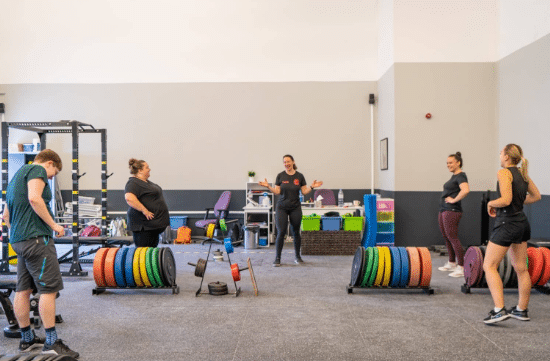
We’re not here to offer you a generic strength training program, Strength Ambassadors offer beginners strength classes in a safe and friendly environment with expert strength coaches and personal trainers.
At Strength Ambassadors, we provide strength training classes, one-on-one coaching in powerlifting, Olympic lifting, and more. Whether you’re a beginner or an experienced lifter, our team of knowledgeable instructors can help you achieve your strength objectives.
Join our YouTube channel to see more videos on how to get better at strength training!
Book a class today!
Strength Training FAQs
How long does it take to see results from strength training?
Most beginners will feel stronger within 4–8 weeks of starting strength training, but visible changes usually take longer. Early progress is mostly your nervous system getting better at using the muscle you already have, so you can lift more without looking much different, especially if your diet stays the same.
Over time, with consistent training and appropriate nutrition, muscle size and shape changes become more noticeable, typically after several months of sticking to your routine.
Do I need to lift heavy weights to get stronger?
Not at first; beginners can build strength effectively using lighter weights with proper form and gradually increasing resistance over time.
Can I do strength training at home without equipment?
You can absolutely start strength training at home without equipment, and it’s a great way to build basic strength and confidence. Bodyweight exercises like squats, push-ups, glute bridges, and planks are effective for beginners, and adding resistance bands or light dumbbells can help you progress for a while.
However, you will eventually struggle to keep getting much stronger without access to heavier resistance. Training at home without equipment is fine to begin with, but it usually isn’t a sustainable long‑term option if your goal is to get significantly stronger.